20 December 2020
Covid-Tracking on Campus
A hackathon-winning Android app that notifies students if they've been in close contact with a COVID-19 positive classmate, using Bluetooth Low Energy scanning.
Inspiration
With no prior experience in AI or machine learning, our team decided to tackle a more practical and impactful problem: Covid-Tracking on Campus. The goal was to help university students stay safe by alerting them if they had been near someone who tested positive for COVID-19.
What It Does
If a user reports a positive COVID test, all their recent close contacts receive a notification about potential exposure. The app uses Bluetooth Low Energy (BLE) scanning to detect nearby devices, building a contact history without requiring GPS or location data.
How We Built It
We split the project into two fronts:
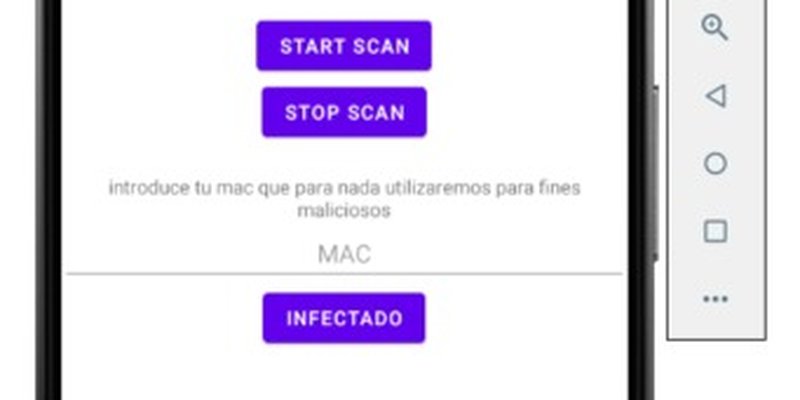
- Frontend — An Android app built with Android Studio that handles BLE scanning and the user interface.
- Backend — A MongoDB database paired with a Python Flask API to manage user data, contact logs, and push notifications.
Challenges
We discovered late in development that we couldn’t directly access the MAC address of our own devices on newer Android versions — a security restriction we had to work around with alternative device identifiers.
Accomplishments
- Successfully implemented BLE scanning for proximity detection
- Delivered a working full-stack project (frontend + backend) in just 40 hours
- Won the “Challenge: Covid-Tracking on Campus” at BitsxLaMarató 2020
What We Learned
Fundamentally, we learned how to work with smartphones at a low level — BLE protocols, Android permissions, and the constraints of mobile development under time pressure.